🍪
Can we use cookies?
Technical cookies are needed for the site to work. We only use statistics and profiling cookies if you accept them. The details are in our cookie policy and our privacy policy.
The olive varieties of the region, the three PDOs and what to check on the label when you buy oil from Abruzzo.
In short
Abruzzo extra virgin olive oil comes from the hills between the Adriatic and the Apennines, from varieties such as Gentile di Chieti, Dritta and Leccino, often pressed together. The region has three PDOs: Aprutino Pescarese, Colline Teatine and Pretuziano delle Colline Teramane. The taste changes with the varieties and with the harvest year, and to get to know it you have to taste it.
In Abruzzo's olive groves there are varieties found almost only here, alongside others grown all over Italy.
Olives of different varieties are often picked and pressed together, and the oil takes something from each of them.
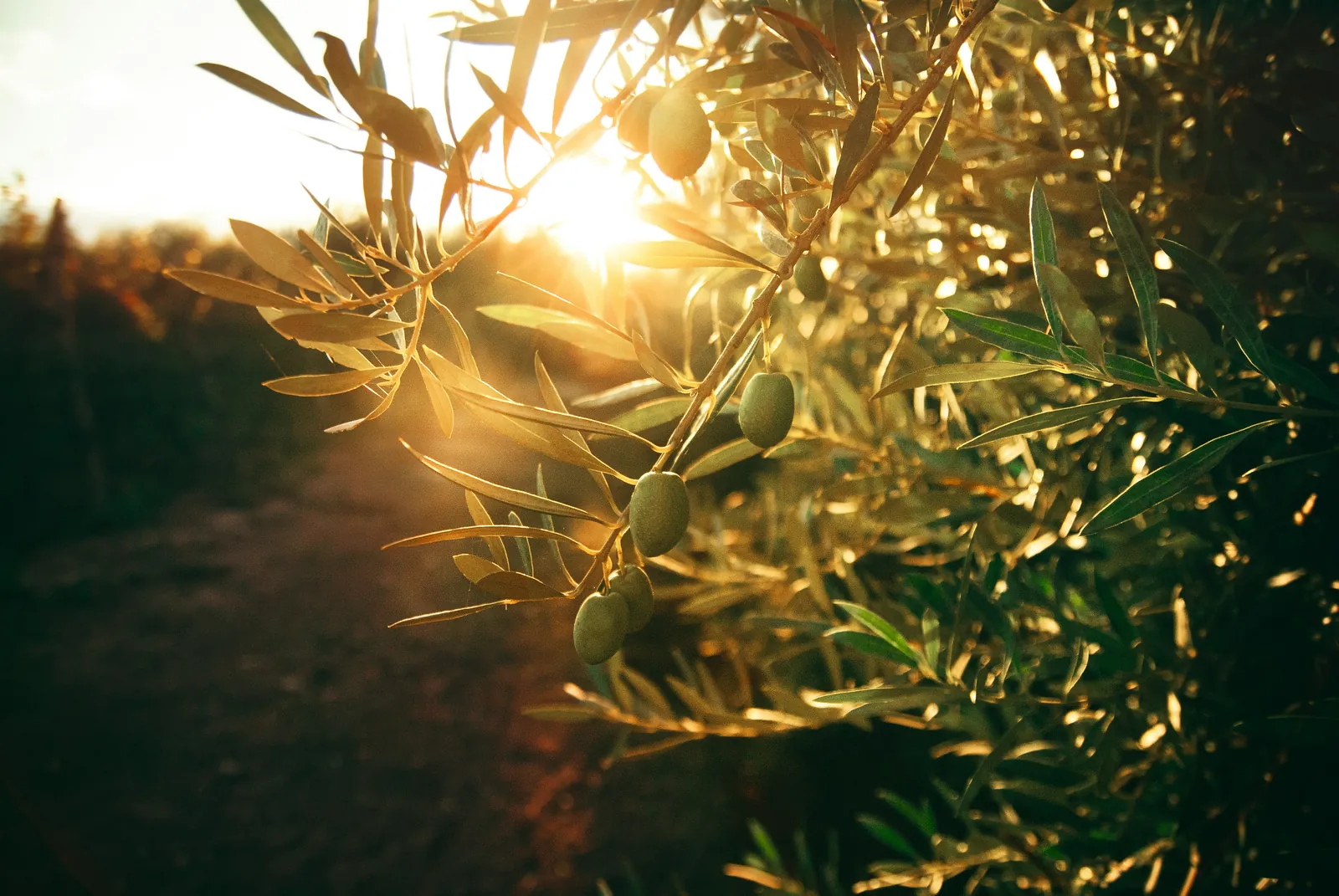
Most of Abruzzo's olive trees grow on the hills that run down from the Apennines towards the Adriatic. Vasto is on the coast, in the south of the province of Chieti, and our olive trees are on the hills around it.
Abruzzo has three PDO oils: Aprutino Pescarese, Colline Teatine and Pretuziano delle Colline Teramane. The Colline Teatine PDO, the one for the province of Chieti, also allows the sub-names "Frentano" and "Vastese".
A PDO oil follows a set of rules that fixes the area, the varieties and the checks. There are well-made oils outside the PDO too, and to recognise them what counts is the label and the tasting.
The taste depends on the varieties, on when the olives are picked and on how the year went. The same olive grove can give a fruitier oil one year and a more bitter one the next. This is why it is hard to describe once and for all, and the surest way to get to know it is to taste it. We send a 200 ml sample, and you only pay for shipping.
If you buy from the producer, you can ask when it was harvested. We tell you when you order. Our oil comes from the hills around Vasto, picked by hand and cold extracted, and you will find sizes and prices on the page about our oil.
Article updated on .
Share the article